



Crane
Henan Best Chain Co., Ltd
Henan Best Chain Industry Co., Ltd. is a national standard [high-precision hoist chain (G80 grade, G100 grade), ordinary rigging chain (G80 grade, G100 grade), etc.], EU standard (EN/80 grade, 100 grade) Chain products, professional R & D, design, manufacturing enterprises.
Why Choose Us
Experienced Team
Our team of engineers and technicians has years of experience in the industry, and we leverage that expertise to provide our clients with the best possible solutions.
Exceptional Customer Service
We pride ourselves on providing exceptional customer service and technical support to our clients, ensuring that they have a smooth and hassle-free experience.
Quality Products
We use only the highest-grade materials and advanced manufacturing techniques to produce products that are reliable, durable, and perform to the highest standards.
Competitive Price
We have professional sourcing team and cost accounting team, stive to reduce cost and profit and provide you a good price.
Sustainable Development
Establish a good reputation and brand value in the industry, and promote the sustainable, stable, rapid and healthy development of the enterprise.
One Stop Solution
From the begining inquiry and throughout the entire process until you receive the goods. we are dedicated to supporting you every step of the way.
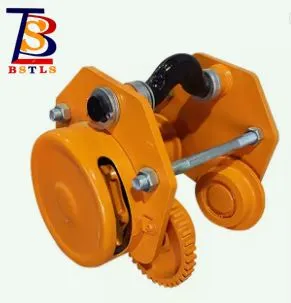


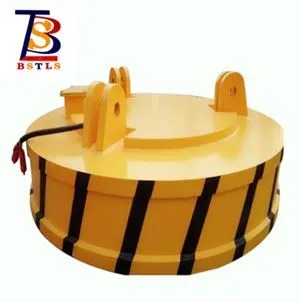


What Is Crane
A crane is a machine that is used to lift and move heavy loads, machines, materials, and goods for a variety of purposes. They are used in all different sectors of industry, from construction to manufacturing to shipbuilding and material loading.
Advantages of Crane

Improved Safety
Cranes also improve safety on construction sites. By reducing the need for manual labour, cranes reduce the risk of injury to workers. Cranes also have safety features such as limit switches, which prevent the crane from lifting loads that are too heavy, and anti-two block devices, which prevent the crane from colliding with itself.

Load Capacities
Cranes can handle various load capacities, making them ideal for construction projects of all sizes. From small residential construction projects to large-scale commercial and industrial projects, cranes can handle loads of all sizes and shapes.
Customizable Configurations
Crane manufacturers offer customizable configurations that meet the specific needs of various construction projects. Customizable configurations include different crane sizes, boom lengths, and load capacities, making it easier to find a crane that meets specific project requirements.
Types of Crane
There are various types of cranes used in different industries and construction projects. Here are some common types of cranes:
Mobile Crane: Mobile cranes are versatile and can be easily transported to different job sites. They have a telescopic boom mounted on a mobile platform, such as a truck or crawler tracks. Mobile cranes are used for general construction, infrastructure projects, and maintenance work.
Tower Crane: Tower cranes are tall, fixed cranes commonly seen at construction sites. They have a tower mast and a jib arm that can rotate 360 degrees. Tower cranes are used for tall building construction and heavy lifting in confined spaces.
Crawler Crane: Crawler cranes are mounted on a set of crawler tracks, which provide stability and mobility on rough terrain. These cranes are known for their heavy lifting capacity and are used in construction, infrastructure, and mining projects.
Overhead Crane: Overhead cranes, also called bridge cranes, are used in industrial environments such as factories, warehouses, and manufacturing facilities. They consist of a bridge that moves along overhead runways, and a hoist or lifting mechanism that moves vertically.
Rough Terrain Crane: Rough terrain cranes are designed to operate on off-road and uneven surfaces. They have a rugged undercarriage with large tires or rubber tracks for stability. These cranes are commonly used in construction sites, oil and gas projects, and outdoor industrial applications.
Floating Crane: Floating cranes are mounted on barges or floating platforms and are used for heavy lifting operations near water bodies, such as ports, shipyards, and offshore projects. They provide flexibility in marine-based construction and cargo handling.
A crane is a powerful and essential piece of machinery used in construction, manufacturing, and other industries for lifting and moving heavy loads. It operates on a basic principle of physics known as leverage. The primary components of a crane include a boom (an extended arm), a hoist or winch, cables or chains, and a counterweight.
The boom is the long arm that extends horizontally from the crane's base and can be raised or lowered. At the end of the boom, the hoist or winch is attached, which consists of a motorized drum or reel and a set of cables or chains. These cables or chains are looped through a series of pulleys or sheaves located at different points on the crane.
When a load needs to be lifted, the hoist or winch is activated, and the cables or chains start to wind around the drum or reel. As the cables or chains are pulled in, the load attached to the end of them begins to rise. The boom can be maneuvered to adjust the height and reach of the load.
Safe Operation of Crane
Crane operation safety is unique to other pieces of equipment because the machine itself isn't moving. With tractors, dozers, and backhoes, the machine moves around, driving around people, and carrying equipment with a driver responsible for checking all blind spots and using proper signals.
Be Aware of Surroundings
Contact with electrical lines is one of the main accidents associated with cranes. Like any other kind of equipment operation, taking the time to review the site, start the day with a plan, and prioritize communication can make a difference when it comes to safety. It's the best way to avoid hazards such as electric lines, other pieces of equipment, or injuring coworkers.
This is true as well for operators who are climbing tower cranes. Slippery rails or not wearing proper PPE could lead to a life-threatening accident.
Proper Setup
One of the most common accidents for cranes is buckling or collapsing. Improper crane assembly can be dangerous for the entire construction site and - depending on the height of the crane - the surrounding community. Daily inspections are key, even if the crane is a tower crane that has been there for weeks.
Load Security
Many safety standards associated with cranes relate back to load security. Load and lift limits must be respected. The load should be lifted as close to the crane as possible and as low to the ground as possible. Always test load limits and make sure that materials are properly secured before lifting them.
How To Choose a Crane
You can choose from many types of cranes, but one crane works best for each type of project. Consider these factors before selecting a crane for your project:
Consider the load weight and height needed
Cranes selection must factor in the lifting and height capacities and the horizontal distance the machine needs to cover for the project. Use the crane load chart to calculate the crane's load capacity at different boom lengths.
Assess the job-site terrain
The evenness and stability of the terrain at a job site determine whether a project requires a mobile or fixed crane. Plus, crane operators must consider the size and openness of the work area when choosing a crane.
Check your budget
If you don't need cranes often, consider renting the equipment rather than buying it. Evaluate your budget and logistics to make sure you factor in transportation and hiring operators, if necessary.
What Is The Use Of a Crane
Cranes are an important part of the construction industry, and with the advancement of technology, the use of cranes has expanded to many projects.
Heavy Lifting Power
Cranes give you the power you need for lifting anything you need on a construction site, their structures specially designed for out lifting any other product in the industry in both height and weight. From tower cranes to mini cranes, they will always be noted for their sheer strength.
Lifting on Rough Terrain
Cranes are specifically designed for use in rough terrain, as they are often required on construction sites where there is often dirt and debris. By choosing a crane suitable for rough terrain, you can avoid many of the problems that arise when using it on low capacity or uneven ground.
Lift, Shift and Place
The most important part of a crane is its ability to be able to lift and place objects as it enables increased productivity as materials can be moved throughout site quickly and materials can be installed with ease.
Effortlessly Lift Glass
Cranes are an excellent choice for glass installation because of their proven ability to lift heavy objects, so they are perfectly capable of teaming up with a glass vacuum lift for the most efficient lifting.
Supporting Parts of a Crane
These pieces of a crane provide support and assistance for the lifting force of the crane, from providing additional stabilization to allowing it to reach further to making it possible to safely raise a load.
Outriggers & Outrigger Pads
Outriggers and outrigger pads help stabilize the crane and are also known as stabilizers. Outriggers are hydraulically controlled outriggers that extend downward from the crane to widen its base stance, making it harder to tip over or dig into the soil while working. The legs also provide support when you're on uneven ground or slopes. Outrigger pads are typically used in softer soil or heavier loads, they spread the force of the hoist on the outriggers into more of the surrounding terrain. This makes it easier for the soil to support the weight of the load being moved as well as the weight of the equipment.
Jib
The jib is an extension of the main boom, typically fixed, and able to reach further horizontally than the main boom is able to do. This provides a wider range of reach for the telescopic crane, making it easier to get into difficult spaces or where the ground may make crane placement difficult closer to the objective.
Luffer
A luffing crane has an articulated rather than a fixed arm. The hinge allows the boom to move up and down rather than just horizontally, providing a wider possible range that the crane can effectively reach.
Rigging Equipment
Rigging equipment includes a range of hardware, typically used at the hoisting end of the crane, which can include items such as a hook, load block, hook block, wire rope cable, turnbuckles, spreader bars, lifting beams, eyebolts, pulley blocks, and similar equipment that provides a lift point for a heavy load or secures it from becoming unstable during lifting.
The operating parts of the crane include its power source or engine, hydraulic system, and controls that allow the hydraulic system to move the parts of the crane to lift the load.
Engine
The engine on a crane is typically either diesel for portable cranes or electricity for tower or long-term crane installations. This power is used not only to move the tires or treads on a portable crane, but also to run the hydraulic motor, allowing all of the crane's hydraulic systems to operate effectively to lift the load, move the crane, and stabilize the crane in its position while lifting.
Controls
Crane controls will depend on the specific capabilities of the crane. At a minimum, hydraulic controls to manage rotation and lift are needed, but many cranes have far more capability than just that. Separate hydraulic controls will be used for raising and lowering outriggers, controlling booms, and moving jibs and luffers.
Portable cranes will also have driving controls, including brakes, throttle, and steering, while road-legal cranes will have additional controls as required by the Department of Transportation for legal operation on the roads, such as headlight and signal light controls, a horn, parking brakes, windshield wipers, and similar necessities.
How Are Cranes Used In The Field Of Construction
Cranes are an essential piece of equipment in the field of construction, used to lift and move heavy materials and equipment on construction sites. They are used to move objects vertically or horizontally to various heights and distances, making them a versatile tool in the industry.
Here Are Some Ways Cranes Are Used In Construction:
Moving Materials
Cranes are commonly used to move heavy materials such as steel beams, concrete blocks, and lumber from one location to another. This is especially useful in high-rise construction projects, where materials need to be lifted to higher levels.
Setting Up Structures
Cranes are used to lift and position large pre-fabricated sections of buildings, such as walls, roofs, and floors, into place. This can save a significant amount of time and labour compared to traditional building methods.
Demolition
Cranes are also used in the demolition of buildings and structures. They can be used to lift and remove large sections of the structure, making the demolition process more efficient.


Maintenance
Cranes are used for maintenance work on buildings and structures, such as cleaning windows or repairing roofs. They can provide access to hard-to-reach areas and lift equipment and workers to the required height.
The Importance of Regular Crane Service and Maintenance
Cranes are engineering wonders that have played an important role by facilitating construction, manufacturing and heavy lifting operations. The proper operation and safety of the crane becomes critical. This is where crane maintenance comes into play, ensuring smooth operations, safeguarding safety and optimizing project outcomes. This comprehensive exploration delves into the integral benefits and undeniable need for regular crane service and maintenance.
Safety First
Safety is the foremost priority in any construction or industrial operation. The sheer size and power of cranes demand strict adherence to safety protocols. Proper maintenance ensures that the crane's mechanical components, such as hoists, brakes, ropes, and cables, are in pristine condition. Regular inspections and adjustments help prevent potential malfunctions that could lead to devastating accidents. With proper servicing, crane operators can work confidently, knowing that they are using a machine that is well-maintained and less likely to threaten life and property.
Enhanced Productivity
Unplanned breakdowns and equipment failures can cause significant delays in project timelines, leading to lost productivity and increased costs. Crane service and maintenance prevent unexpected interruptions by identifying and addressing issues before they escalate. Regular check-ups help detect wear and tear, corrosion, and other signs of deterioration, allowing for timely repairs and replacements. This proactive approach ensures that cranes function at peak efficiency, maximizing productivity and minimizing downtime.
Compliance with Regulatory Standards
The construction and industrial sectors are subject to strict safety and regulatory standards. Regular crane service and maintenance play a pivotal role in meeting these requirements. Certified technicians inspect cranes according to regulatory guidelines and industry best practices. This not only helps companies stay compliant with the law but also promotes a culture of safety and responsibility within the organisation.
Prolonged of Equipment
Cranes represent substantial investments for businesses. Ensuring proper maintenance can significantly extend the lifespan of these costly assets. When cranes are well-maintained, they are less susceptible to premature wear and breakdowns. Regular inspections and timely repairs prevent small issues from escalating into more significant problems, thereby adding years to the crane's operational.
Asset Management and Planning
Proper maintenance records allow companies to track the performance of their cranes over time. This data enables effective asset management and informed decision-making for equipment upgrades or replacements. A well-maintained crane is also more likely to have a higher resale value should the need arise to sell or upgrade the equipment.
Environmental Responsibility
Regular maintenance helps reduce the environmental impact of crane operations. Properly maintained cranes operate more efficiently, consuming less energy and generating fewer emissions. regular inspections help identify and mitigate leaks and other sources of potential environmental harm.
Certifications


Our Factory
Henan Best Chain Industry Co., Ltd. is a national standard [high-precision hoist chain (G80 grade, G100 grade), ordinary rigging chain (G80 grade, G100 grade), etc.], EU standard (EN/80 grade, 100 grade) Chain products, professional R & D, design, manufacturing enterprises. It is a "management advantage and technical advantage" enterprise of high-grade, high-end, multi-variety and multi-spec chain in the north.

